
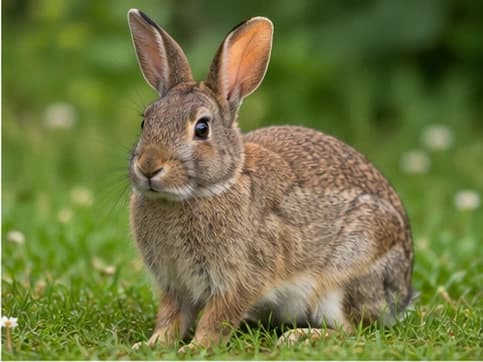
Rabbit
Mammal
MammalPetFarm AnimalWild Animal
A quick herbivore with long ears and strong back legs.
- Habitat
- Meadows and burrows
- Diet
- Herbivore
- Fun Fact
- Rabbit teeth never stop growing.
Tool-First Farm Discovery
Use this random farm animal generator to discover real farm animals with pictures, habitats, diets, and quick facts for lessons, drawing prompts, games, and creative ideas.
Choose farm animal types
All Farm AnimalsHow many animals?
Generated Results
Mammal
A quick herbivore with long ears and strong back legs.
A random farm animal generator gives you a quick way to pick real farm animals for lessons, drawing prompts, games, vocabulary practice, or creative writing. Each result starts with the shared animal profile used across the site, so the cards keep the same picture, habitat, diet, and fun fact format.
Classic pasture animals raised for milk, fiber, transport, or farm work.
Farm birds and backyard birds often used for egg, feather, or lesson activities.
Strong farm animals connected with riding, hauling, packing, and field work.
Smaller animals that fit classroom prompts, backyard farms, and gentle starter activities.
Generate one result for a focused drawing prompt, or generate several animals for compare-and-sort activities. Students can group results by diet, habitat, body type, or the role each animal might have on a farm.
Cows, goats, sheep, and pigs are common livestock results. Breed-level entries such as Holstein Cow, Jersey Cow, Angus Cattle, Boer Goat, Merino Sheep, Berkshire Pig, and Tamworth Pig make the generator more useful for farm lessons and comparison activities.
Poultry results include chickens, ducks, geese, turkeys, quail, and guinea fowl. Familiar breeds like Rhode Island Red, Leghorn Chicken, Plymouth Rock Chicken, Pekin Duck, Muscovy Duck, and Toulouse Goose help the page go beyond a simple farm animal name list.
Horses, donkeys, mules, oxen, ponies, farm dogs, llamas, yaks, and camels can appear as working or riding animals. Results such as Belgian Draft Horse, Percheron Horse, Clydesdale Horse, Shetland Pony, and Border Collie fit prompts about farm jobs and animal roles.
Smaller results such as rabbits, quail, barn cats, ducks, and honeybees work well for younger learners, drawing prompts, and quick vocabulary practice. These animals also help explain how farms include pest control, pollination, companionship, and backyard flocks.
The current farm animal pool is generated from the shared animal data used by the main site.
It is a simple tool that picks real farm animals at random and shows pictures, habitats, diets, and quick facts for learning or creative prompts.
Yes. You can generate 1, 3, or 5 farm animals at a time, and the same result will not repeat within one generated set.
Yes. You can filter by livestock, poultry, working and riding animals, or smaller farm animals before generating a result.
Yes. Along with broad animals like cows, goats, sheep, chickens, ducks, and horses, the generator includes familiar farm breeds such as Holstein cows, Jersey cows, Merino sheep, Leghorn chickens, and Clydesdale horses.
Yes. Teachers and parents can use the results for vocabulary practice, animal sounds, drawing prompts, compare-and-sort activities, quick research tasks, and farm-themed writing ideas.
The generator includes livestock, poultry, working and riding animals, small farm animals, farm dogs and cats, and managed farm insects like honeybees.
For the broad all-animal experience, use the Random Animal Generator. For ocean-only results, try the Random Sea Animal Generator.